Skip to content
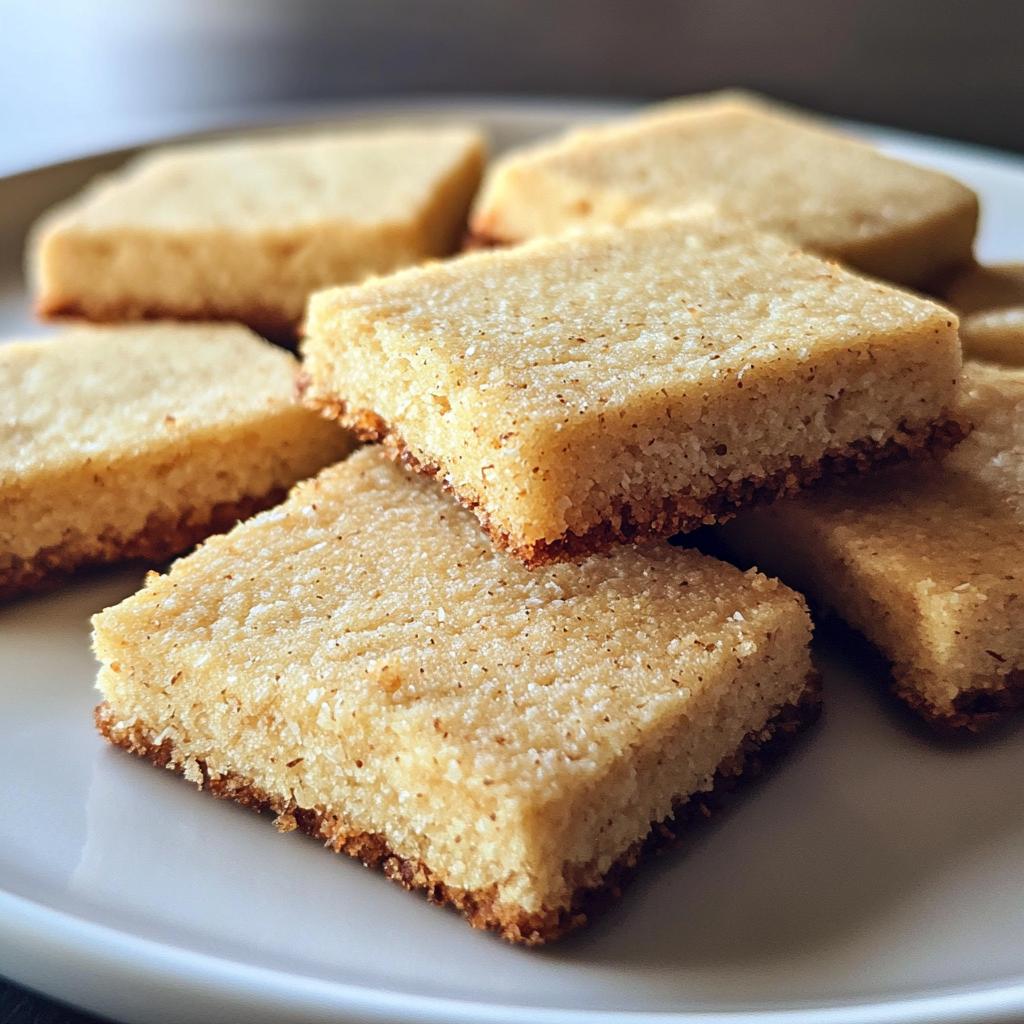
You know those moments when you’re craving something sweet but don’t want the sugar crash afterward? That’s exactly how I stumbled upon this coconut flour sugar free shortbread recipe. After one too many “healthy” desserts that tasted like cardboard, I was determined to create something buttery, crumbly, and actually satisfying. This version uses coconut flour’s natural sweetness and pairs it with just enough erythritol to trick your taste buds into thinking it’s the real deal.
What I love most is how simple it is – just five basic ingredients mix together in minutes. The coconut flour gives it this delicate texture that melts in your mouth, while keeping it gluten-free and low-carb. My husband (who swore he’d never touch “healthy” desserts) now asks me to make a batch every Sunday. That’s when I knew this recipe was special!
Why You’ll Love This Coconut Flour Sugar Free Shortbread
This isn’t just another “healthy” dessert that leaves you disappointed—it’s the real deal, and here’s why:
- Effortless to make: No fancy techniques here. Just mix, press, and bake. Even if you’re not a confident baker, you can nail this recipe on your first try.
- Gluten-free & low-carb friendly: Coconut flour keeps it grain-free, and with zero sugar, it’s perfect for keto diets or anyone watching their carb intake.
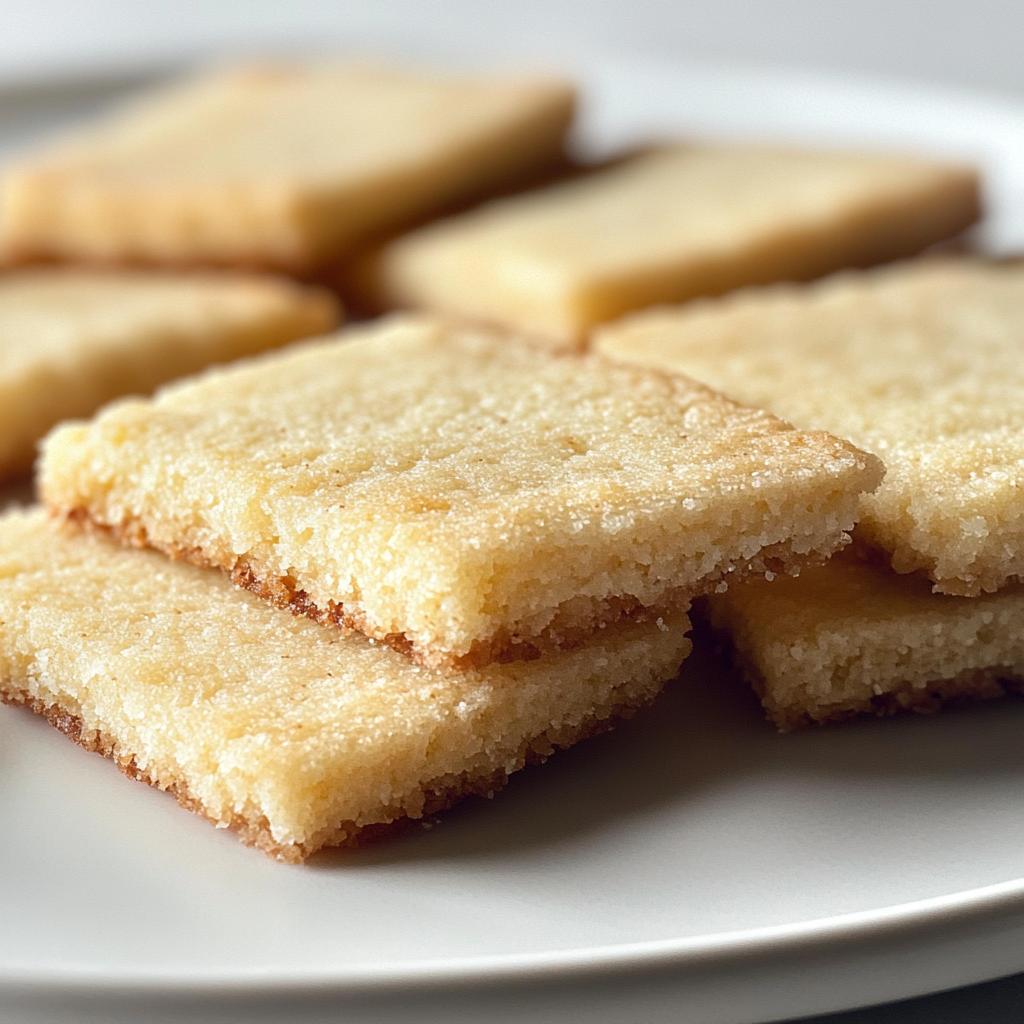
- Crave-worthy texture: That buttery, crumbly bite? It’s like traditional shortbread—just without the guilt. The coconut flour gives it a delicate melt-in-your-mouth quality that’s downright addictive.
- Customizable sweetness: Not a fan of erythritol? Swap in your favorite sugar substitute, or adjust the amount to suit your taste. It’s forgiving, just like Grandma’s recipes (but way healthier).
Ingredients for Coconut Flour Sugar Free Shortbread
Here’s the beautiful part—you only need five simple ingredients to make magic happen. But listen, quality matters here! I’ve learned the hard way that using the wrong butter or skimping on vanilla can make all the difference between “meh” and “wow.” Here’s exactly what you’ll need:
- 1 cup coconut flour: Don’t even think about substituting almond flour here—they behave completely differently! Coconut flour soaks up moisture like crazy, which gives our shortbread that perfect crumbly texture.
- 1/2 cup unsalted butter, softened: And I mean really softened—leave it out until your finger leaves an indent without sinking through. Pro tip: European-style butter with higher fat content makes these extra luxurious.
- 1/4 cup erythritol or stevia: I prefer erythritol’s more natural sweetness, but use whatever sugar substitute makes you happy. Just make sure it’s the granulated kind, not liquid!
- 1 tsp vanilla extract: Splurge on the good stuff here—that imitation vanilla won’t do your shortbread justice. The aroma alone is worth it.
- 1/4 tsp salt: Just a pinch to balance all the flavors. If you’re using salted butter, you can skip this (but I like controlling the salt myself).
See? Nothing fancy or hard-to-find. Most of this is probably already in your pantry! The trick is treating each ingredient with care—that’s what elevates these from “healthy alternative” to “why would I ever eat regular shortbread again?” territory.
How to Make Coconut Flour Sugar Free Shortbread
Okay, here’s where the magic happens! This recipe is so simple, but a few key steps make all the difference between “good” and “oh-my-goodness-I-need-another-bite” shortbread. Follow these steps, and you’ll have perfect cookies every time.
Preparing the Dough
First things first—preheat your oven to 325°F (160°C). While that’s heating up, grab your softened butter (remember, finger-indent soft!) and cream it with your sugar substitute. I use a hand mixer on medium for about 2 minutes until it’s fluffy and pale. This step is crucial for that light, melt-in-your-mouth texture!
Next, mix in the vanilla and salt until just combined. Now, here’s the trick with coconut flour: add it gradually! I usually do it in 3 batches, folding gently with a spatula. The dough will look crumbly at first—don’t panic! Keep mixing, and it’ll come together into a slightly sticky but moldable dough. Resist the urge to overmix, or you’ll end up with tough shortbread.
Baking and Cooling
Press your dough evenly into an 8×8 inch baking pan lined with parchment paper (trust me, you’ll thank me later when they lift out perfectly). Want cookies instead? Roll tablespoon-sized portions into balls and flatten slightly on a baking sheet.
Bake for 15-20 minutes until the edges turn that perfect golden color. The center might still seem soft—that’s fine! Let them cool completely in the pan (this is non-negotiable—they firm up as they cool). Then slice into squares or enjoy as-is. That first buttery, slightly sweet bite? Pure heaven.
Tips for Perfect Coconut Flour Sugar Free Shortbread
Want bakery-worthy results every time? These are my tried-and-true secrets after making dozens of batches (some glorious, some… not so much). Learn from my mistakes so yours turn out perfect on the first try!
Getting the Texture Just Right
Coconut flour can be tricky—it’s thirsty stuff! If your dough seems too dry, add a teaspoon of cold water at a time until it holds together when pressed. Too sticky? A dusting of extra coconut flour fixes that. And listen—resist the urge to overbake! These continue firming up as they cool. Pull them when the edges are lightly golden, even if the center seems soft. That’s how you get that dreamy melt-in-your-mouth crumb.
Sweetener Swaps and Adjustments
Not all sugar substitutes behave the same. Erythritol gives the closest to real sugar texture, but feel free to use monk fruit or stevia blends. Just know: powdered versions incorporate better than granulated. My rule? Start with less—you can always add more to taste before baking. And if you miss that caramelized sugar flavor, a tiny pinch of cinnamon tricks your taste buds beautifully.
Storage Secrets
These keep wonderfully in an airtight container at room temp for up to a week (if they last that long!). For longer storage, freeze between parchment layers—they thaw in minutes. Pro tip: Revive any that lose their crispness by popping them in a 300°F oven for 3-4 minutes. Works like magic!
There you have it—all my hard-earned tricks for coconut flour shortbread success. Now go bake up a batch and enjoy that guilt-free, buttery goodness!
Variations of Coconut Flour Sugar Free Shortbread
Once you’ve mastered the basic recipe (and trust me, you’ll want to make it weekly), it’s time to play around with flavors! The beauty of this dough is how easily it adapts to different add-ins. Here are my favorite ways to mix things up—some so good they’ve become regulars in my kitchen.
Citrus Zest for a Bright Twist
My absolute favorite variation? Adding the zest of one lemon or orange right into the dough. The citrus oils wake up all the flavors without adding sugar. Just make sure to zest directly into your butter mixture—those fragrant oils make all the difference. I sometimes add a drop of lemon extract too if I want an extra punch. Perfect with afternoon tea!
Nutty Crunch for Texture Lovers
For those who miss the crunch of traditional shortbread, try folding in 1/4 cup of finely chopped pecans or almonds. Toast them first for maximum flavor! The nuts add wonderful texture against the tender crumb. Walnuts work great too—just chop them small so they distribute evenly. My husband swears by the pecan version with a pinch of cinnamon.
Chocolate Chip Surprise
Who says sugar-free can’t be indulgent? Stir in 1/4 cup of sugar-free chocolate chips before baking. The pockets of melted chocolate take these to dessert territory. Look for chips sweetened with stevia or monk fruit—they’ve come a long way in taste! Pro tip: Press a few extra chips on top before baking for that bakery-style look.
Spiced Version for Cozy Days
When the weather turns chilly, I add 1/2 teaspoon cinnamon + 1/4 teaspoon nutmeg to the dry ingredients. It smells like Christmas while baking! For an extra special touch, dust the cooled shortbread with a mix of cinnamon and powdered erythritol. This version disappears fastest at holiday gatherings.
The possibilities are endless—I’ve even tried lavender buds (1 teaspoon dried) for a floral twist! Whatever you add, keep the quantities small so you don’t overwhelm the delicate coconut flour base. Now tell me—what variation will you try first?
Serving Suggestions for Coconut Flour Sugar Free Shortbread
Now that you’ve baked up these buttery little delights, let’s talk about how to enjoy them! This shortbread is fantastic on its own, but a few simple pairings can turn it into something truly special. Here are the ways we love to serve it in my house—some classic, some unexpected, all delicious.
The Perfect Tea-Time Pairing
There’s nothing like dunking a piece of this shortbread into a hot cup of Earl Grey—the bergamot plays so nicely with the coconut flavor! I keep mine simple with no milk to let the buttery cookie shine. My grandma always said shortbread tastes best when you let it melt on your tongue between sips. For herbal tea lovers, chamomile or mint make refreshing matches, especially with the citrus-zested version.
Berry Good Combinations
Fresh raspberries or sliced strawberries turn this into a proper dessert. The berries’ natural sweetness balances the shortbread’s richness beautifully. My favorite quick dessert? Layering crumbled shortbread with whipped coconut cream and berries for an easy parfait. In summer, I’ll even sandwich a scoop of sugar-free strawberry sorbet between two pieces for instant ice cream sandwiches!
Dips for Extra Indulgence
For parties, I’ll whip up a quick sugar-free chocolate dip (just melt 1/2 cup sugar-free chocolate chips with a teaspoon of coconut oil). The contrast of crisp shortbread and silky chocolate is unreal. My other go-to is mixing equal parts mascarpone and powdered erythritol with a splash of vanilla—it’s like cheesecake in dip form! Kids (and let’s be honest, adults too) go wild for these dippers.
Breakfast Upgrade
Okay, hear me out—crumbled over sugar-free yogurt with some chopped nuts? Absolute breakfast magic. The shortbread softens slightly but keeps its structure, adding that perfect bakery-style crunch to your morning. My neighbor swears by crumbling it into her coffee like biscotti, though I think that’s taking the “dunking” thing a bit far!
Honestly? Half the batch never makes it to fancy presentations in my house—we just grab pieces straight from the container. But when I want to feel fancy, these simple serving ideas make my sugar-free shortbread feel like a real treat. How will you enjoy yours?
Storage and Reheating
Now, let me tell you how to keep your coconut flour sugar free shortbread tasting fresh and buttery—because let’s face it, you probably won’t eat it all in one sitting (though I won’t judge if you do!). The good news? This shortbread actually gets better after a day or two as the flavors meld together. Here’s how to store it like a pro.
The Best Way to Store Shortbread
I always use an airtight container—those cute cookie tins work great, but even a zip-top bag does the trick. Layer the pieces between parchment paper to prevent sticking, and they’ll stay crisp at room temperature for up to a week. Humidity is the enemy here, so if your kitchen is steamy, toss in a silica packet or a piece of bread to absorb moisture (weird but it works!).
Freezing for Later
This is my secret for always having “emergency” shortbread on hand! The dough freezes beautifully—either as a whole slab (wrapped tightly in plastic) or pre-cut cookies. Baked shortbread freezes well too—just thaw at room temperature for 10 minutes. Pro tip: freeze single portions so you can grab just one (or three) whenever the craving hits.
Reviving Day-Old Shortbread
If your shortbread loses its crispness (or if you like it extra warm), pop it in a 300°F oven for 3-4 minutes. It comes back to life perfectly! For frozen baked shortbread, I sometimes give it a quick toast straight from the freezer—the edges get this amazing caramelized crunch while the center stays tender. Just watch closely—it goes from “perfect” to “overdone” in seconds!
There you have it—all my storage tricks to keep your shortbread tasting freshly baked. Now you can enjoy that buttery goodness anytime the mood strikes!
Nutritional Information
Okay, let’s talk numbers—but don’t worry, these are the good kind! Since we’re using coconut flour and sugar substitutes, this shortbread is way lighter than traditional versions. Just remember, exact values can vary based on your specific ingredients (especially the butter and sweetener you choose). Here’s the general breakdown per cookie if you make 12 servings:
- Calories: ~90 (compare that to 150+ in regular shortbread!)
- Fat: 7g (mostly from the butter—the good kind of fat!)
- Carbs: 5g (with 3g fiber, so net carbs are super low)
- Protein: 2g (thanks to the coconut flour)
- Sugar: 0g (yes, zero—that’s the magic of erythritol!)
Now, here’s my little disclaimer: I’m not a nutritionist, just a home cook obsessed with making treats healthier. If you’re tracking macros strictly, definitely calculate based on your exact brands. But overall? This recipe lets you enjoy that buttery shortbread experience without the sugar crash or carb overload. That’s what I call a win-win!
FAQs About Coconut Flour Sugar Free Shortbread
I’ve gotten so many questions about this recipe since I started sharing it—here are the ones that pop up most often, along with all my hard-earned answers from countless test batches in my kitchen!
Can I substitute coconut oil for butter?
You can, but hear me out—it won’t be quite the same. Coconut oil works in a pinch (use the same amount, melted and cooled slightly), but butter gives that classic shortbread richness we all love. If you do use coconut oil, add an extra pinch of salt to balance the flavor. The texture will be slightly more crumbly too. My verdict? Butter wins, but coconut oil makes a decent dairy-free alternative!
Is erythritol absolutely necessary?
Not at all! Any granulated sugar substitute will work—monk fruit, stevia blends, even allulose. Just know that some sweeteners (like pure stevia) are way more potent, so adjust amounts accordingly. Liquid sweeteners? Avoid them unless you want to mess with the dry-to-wet ratio. Pro tip: If your sweetener tends to have a cooling aftertaste (erythritol sometimes does), a tiny bit of vanilla extra helps mask it beautifully.
Why is my dough so crumbly?
Ah, the classic coconut flour struggle! Remember, coconut flour absorbs liquid like crazy. If your dough won’t hold together, add cold water one teaspoon at a time until it just comes together when pressed. And here’s my secret—let the mixed dough sit for 5 minutes before shaping. The flour will hydrate fully, making it much easier to work with. Still too dry? A smidge more butter never hurt anyone!
Can I make these without any sweetener?
Absolutely! The coconut flour has a natural mild sweetness, and the butter’s richness carries the flavor. I often make a half-batch without sweetener for my toddler—he gobbles them up! They’ll taste more like a savory shortbread, perfect for cheese plates. Try adding rosemary or black pepper for a gourmet twist.
Why didn’t my shortbread spread like regular cookies?
Coconut flour doesn’t spread—it’s a feature, not a bug! That’s why we press the dough into shape before baking. If you want traditional-looking cookies, roll balls and flatten them slightly with your palm or a glass. They’ll hold their shape beautifully while baking—no puddles of dough here!
There you have it—all the burning questions answered! Now what are you waiting for? Try this recipe and share your results with me—I’d love to hear how your coconut flour sugar free shortbread turns out! You can find more delicious recipes on Pinterest.
Print
“5-Ingredient Coconut Flour Sugar Free Shortbread You’ll Crave”
- Total Time: 30 minutes
- Yield: 12 servings 1x
- Diet: Gluten Free
Description
A simple and healthy shortbread recipe using coconut flour and no sugar. Perfect for those looking for a gluten-free and low-carb treat.
Ingredients
- 1 cup coconut flour
- 1/2 cup unsalted butter (softened)
- 1/4 cup erythritol or stevia (sugar substitute)
- 1 tsp vanilla extract
- 1/4 tsp salt
Instructions
- Preheat your oven to 325°F (160°C).
- In a bowl, mix the softened butter and sugar substitute until creamy.
- Add vanilla extract and salt, then blend well.
- Gradually fold in the coconut flour until the dough forms.
- Press the dough into a lined baking pan or shape into cookies.
- Bake for 15-20 minutes or until edges turn golden.
- Let cool before slicing or serving.
Notes
- Store in an airtight container for up to a week.
- For a crispier texture, bake a few minutes longer.
- Adjust sweetness to taste by adding more or less sugar substitute.
- Prep Time: 10 minutes
- Cook Time: 20 minutes
- Category: Dessert
- Method: Baking
- Cuisine: International
Nutrition
- Serving Size: 1 cookie
- Calories: 90
- Sugar: 0g
- Sodium: 50mg
- Fat: 7g
- Saturated Fat: 4.5g
- Unsaturated Fat: 2g
- Trans Fat: 0g
- Carbohydrates: 5g
- Fiber: 3g
- Protein: 2g
- Cholesterol: 15mg